India’s healthcare industry is undergoing a massive digital transformation. From multi-specialty hospitals to small clinics, healthcare providers are now expected to deliver faster services, secure patient data, and maintain compliance with government healthcare initiatives. In this evolving landscape, relying on outdated manual systems is no longer sustainable.
In 2026, hospitals that delay adopting a modern Hospital Management System (HMS) risk falling behind in operational efficiency, patient satisfaction, and regulatory compliance. The growing demand for seamless healthcare experiences has made hospital software an essential investment rather than an optional upgrade.
Modern healthcare IT solutions such as EMR, EHR, and integrated HMS platforms are helping hospitals streamline operations, improve staff productivity, and provide better patient care. Solutions like ETHER by Tenwave Infotech are designed specifically to help Indian healthcare institutions manage these challenges effectively.
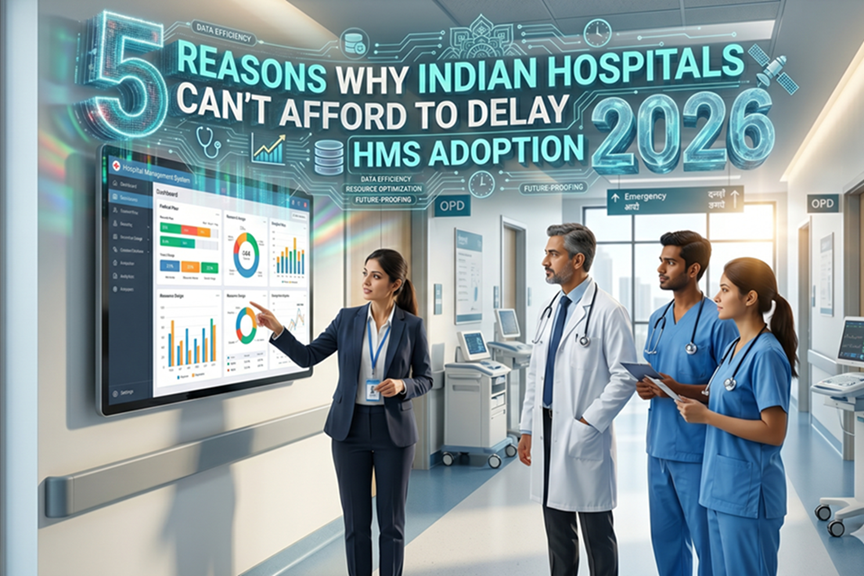
Here are five major reasons why Indian hospitals can no longer afford to delay HMS adoption in 2026.
1. Rising Patient Volumes Demand Smarter Operations
India’s population growth, increasing health awareness, and expanding access to healthcare services have significantly increased patient volumes across hospitals. Managing hundreds or thousands of patients daily through manual paperwork and disconnected systems creates delays, confusion, and operational bottlenecks.
A modern hospital software solution helps hospitals automate critical processes such as:
- Patient registration
- Appointment scheduling
- Billing and invoicing
- Pharmacy management
- Laboratory integration
- Bed allocation
With an advanced HMS, hospitals can reduce waiting times and improve patient flow across departments.
Why This Matters
Patients today expect quick registrations, shorter waiting periods, and digital access to reports. Long queues and inefficient processes can directly impact patient satisfaction and hospital reputation.
Integrated healthcare IT systems like ETHER help hospitals centralize operations into one platform, making patient management faster and more accurate.
Benefits of HMS for High Patient Volumes
- Faster OPD and IPD management
- Reduced paperwork
- Better coordination between departments
- Real-time patient information access
- Improved hospital resource utilization
Hospitals that fail to digitize may struggle to handle increasing patient demand efficiently in 2026 and beyond.
2. ABDM and Insurance Compliance Are Becoming Mandatory
The Indian healthcare ecosystem is rapidly moving toward digitization under the Ayushman Bharat Digital Mission (ABDM). Hospitals are now expected to adopt digital healthcare standards for interoperability, patient records, and insurance integration.
Manual recordkeeping makes it difficult for hospitals to comply with evolving healthcare regulations and insurance requirements.
The Growing Importance of ABDM Compliance
ABDM aims to create a connected digital healthcare infrastructure across India. Hospitals must now ensure compatibility with:
- Digital health records
- ABHA IDs
- EHR integration
- Secure data exchange
- Insurance claim digitization
Without an HMS, managing these compliance requirements becomes time-consuming and error-prone.
How HMS Helps
A modern EHR and EMR-enabled hospital software platform simplifies compliance by:
- Maintaining structured digital patient records
- Automating insurance documentation
- Enabling easy report generation
- Supporting ABDM standards
- Improving data accuracy
Solutions like ETHER from Tenwave Infotech are designed to support ABDM compliance and help hospitals stay prepared for future healthcare regulations.
Hospitals delaying HMS adoption may face claim rejections, compliance penalties, and operational inefficiencies.
3. Data Security Regulations Are Becoming More Strict
Healthcare data is among the most sensitive forms of information. Hospitals handle confidential patient records, medical histories, billing details, insurance information, and diagnostic reports every day.
In 2026, data security is no longer just an IT concern — it is a legal and operational necessity.
Risks of Manual or Outdated Systems
Hospitals using paper-based systems or outdated software face serious risks such as:
- Data loss
- Unauthorized access
- Cybersecurity threats
- Misplaced patient records
- Compliance violations
Data breaches can damage patient trust and create financial and legal consequences for healthcare institutions.
Why Secure Healthcare IT Is Essential
Modern healthcare IT systems provide:
- Role-based access control
- Secure cloud storage
- Encrypted patient records
- Automated backups
- Audit trails and activity logs
An advanced EHR or EMR system ensures that patient information remains protected while remaining easily accessible to authorized medical staff.
ETHER by Tenwave Infotech helps hospitals improve data protection standards while maintaining operational flexibility and accessibility.
As healthcare becomes increasingly digital, hospitals without secure HMS platforms may become vulnerable to security risks and regulatory challenges.
4. Staff Efficiency Directly Impacts Patient Care
Doctors, nurses, reception staff, and administrators already work under immense pressure. Manual documentation and disconnected systems increase their workload and reduce productivity.
When staff members spend more time on paperwork, they spend less time focusing on patient care.
Common Operational Challenges Without HMS
Hospitals without integrated hospital software often experience:
- Duplicate data entry
- Delayed report sharing
- Billing errors
- Communication gaps
- Increased administrative burden
These inefficiencies can lead to staff burnout and operational delays.
How HMS Improves Staff Productivity
A centralized HMS streamlines workflows and reduces repetitive tasks. Features like automated billing, digital prescriptions, lab integration, and appointment management save valuable time for healthcare professionals.
Benefits include:
- Faster patient processing
- Reduced administrative work
- Improved interdepartmental communication
- Better doctor and nurse coordination
- Real-time access to patient records
With modern EMR and EHR systems, healthcare teams can make quicker and more informed decisions.
ETHER helps hospitals optimize workflows and create a more productive working environment for medical and administrative staff alike.
In 2026, operational efficiency will become one of the key differentiators between hospitals that grow and those that struggle.
5. Patient Expectations Have Changed Permanently
Today’s patients expect the same level of digital convenience from hospitals that they receive from banks, eCommerce platforms, and other service industries.
Patients now want:
- Online appointments
- Digital reports
- Quick billing
- SMS and WhatsApp notifications
- Faster consultations
- Transparent healthcare experiences
Hospitals still relying on traditional systems may fail to meet these evolving expectations.
The Rise of Digital Patient Experiences
Modern hospital software helps healthcare providers deliver seamless patient journeys from registration to discharge.
Features such as:
- Patient portals
- Online payments
- Digital prescriptions
- Automated reminders
- Integrated EHR access
enhance overall patient satisfaction and loyalty.
Why Patient Experience Matters
Positive patient experiences directly influence:
- Hospital reputation
- Online reviews
- Patient retention
- Referrals and recommendations
In a competitive healthcare market, patient-centric technology is becoming essential for long-term growth.
ETHER by Tenwave Infotech enables hospitals to create modern digital experiences while improving operational efficiency behind the scenes.
Conclusion
The healthcare industry in India is entering a new digital era where speed, compliance, security, and patient experience are critical for success. Hospitals that continue relying on manual systems or outdated technology may face growing operational challenges in 2026.
Adopting a modern HMS is no longer just about digitization — it is about building a smarter, more efficient, and future-ready healthcare ecosystem.
From managing rising patient volumes to meeting ABDM compliance requirements, improving staff efficiency, securing sensitive data, and enhancing patient experiences, the benefits of advanced hospital software are impossible to ignore.
Solutions like ETHER by Tenwave Infotech empower hospitals with integrated healthcare IT capabilities including EMR, EHR, billing, reporting, compliance management, and patient engagement tools.
The hospitals that invest in digital transformation today will be better prepared to deliver quality healthcare tomorrow.
Tenwave Infotech - Best Healthcare IT company in India. We provide top Healthcare Software Solutions to improve healthcare industries. We are dedicated to transforming the healthcare management system with our healthcare IT services. Contact us Today!
How Can We Help you?