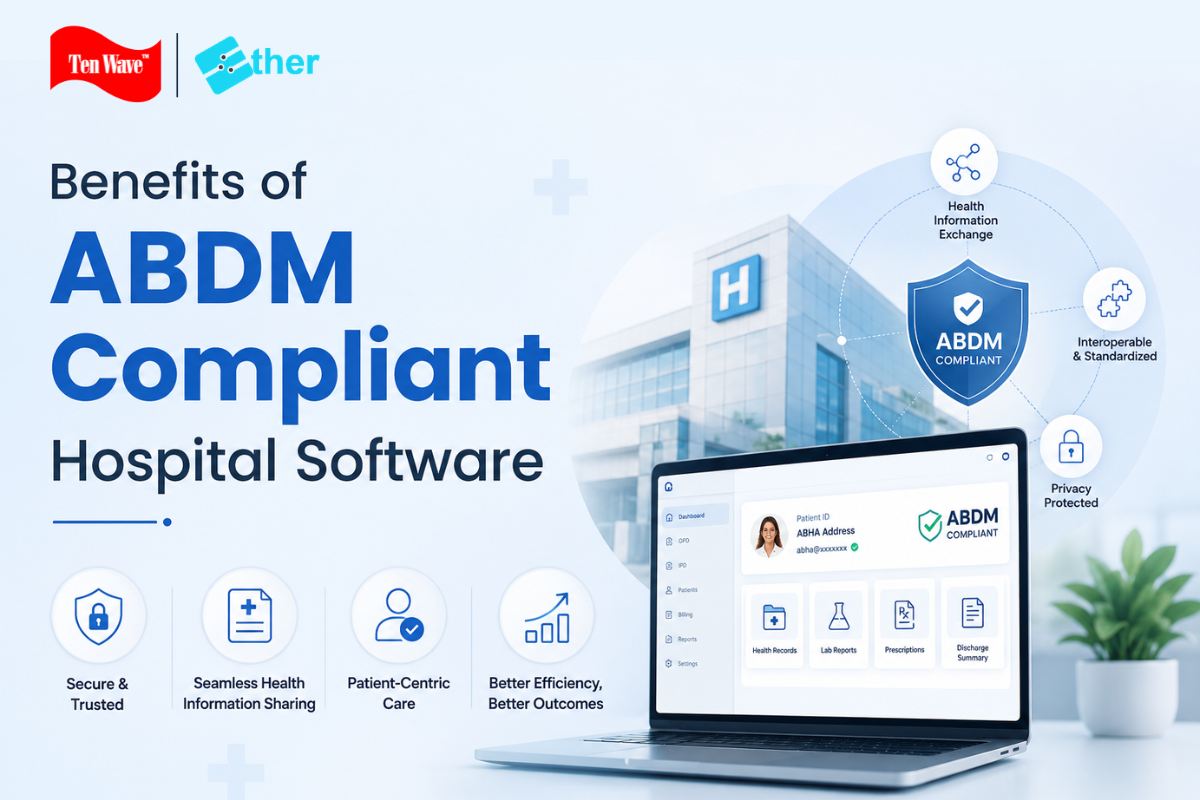

As India's healthcare sector embraces digital transformation, hospitals are expected to deliver faster, safer, and more connected care. One of the key drivers of this transformation is the Ayushman Bharat Digital Mission (ABDM), a government initiative designed to create a unified digital healthcare ecosystem.
To align with these standards, healthcare providers are increasingly adopting ABDM compliant hospital software. This advanced solution enables hospit...
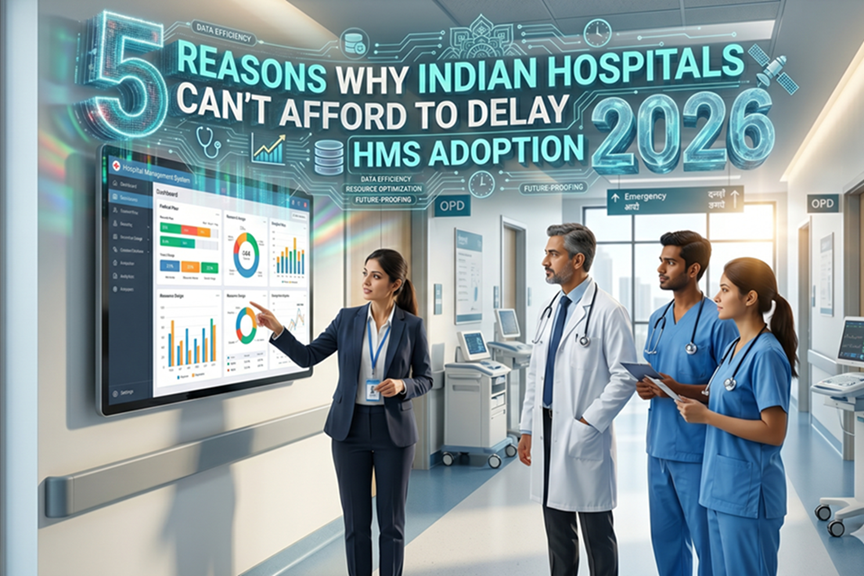
India’s healthcare industry is undergoing a massive digital transformation. From multi-specialty hospitals to small clinics, healthcare providers are now expected to deliver faster services, secure patient data, and maintain compliance with government healthcare initiatives. In this evolving landscape, relying on outdated manual systems is no longer sustainable.
In 2026, hospitals that delay adopting a modern Hospital Management System (HMS) risk falling behin...
Healthcare is one of the most targeted industries in the world. Hospitals manage sensitive patient data, life-saving systems, connected medical devices, and complex digital platforms. That makes healthcare cybersecurity not just an IT concern, but a patient safety issue.
In 2026, the threat landscape is evolving fast. Ransomware groups are more organized. Medical devices are more connected. Telehealth is now standard practice. At the same time, regulations are stricter, and patients expect their data to remain private. If you are a CIO, IT Head, or hospital administrator, this guide...
Digital transformation in healthcare is no longer optional. Hospitals across India are adopting Hospital Management Systems (HMS), Electronic Medical Records (EMR), automation tools, and analytics platforms to improve efficiency and patient care.
However, many digital initiatives fail to deliver expected results not because technology is flawed, but because of avoidable mistakes during planning and execution.
Understanding these mistakes early can save hospitals significant time, cost, and operational disruption. Let’s look at the seven most common digital transformati...
The healthcare industry is undergoing a historic shift. Hospitals are no longer just centers for treatment; they're becoming intelligent, connected ecosystems where technology drives every aspect of care, from patient registration to discharge and beyond. As India moves rapidly toward digital healthcare, 2026 stands out as the tipping point, a year where innovation, policy, and patient expectations will converge to create the Smart Hospital Era.
Let's explore the top trends reshaping hospitals and what every healthcar...